Peter Benenson was born Peter James Henry Solomon on July 31, 1921 in London, England. Poet WH Auden was his private tutor as a boy. Benenson was a cryptographer during WWII and later worked as a lawyer.
He founded Amnesty International in 1961. Here, in his article The Forgotten Prisoners are the grounds for creating the NGO: “Open your newspaper any day of the week and you will find a story from somewhere of someone being imprisoned, tortured or executed because his opinions or religion are unacceptable to his government… The newspaper reader feels a sickening sense of impotence. Yet if these feelings of disgust could be united into common action, something effective could be done.”
To that end, AI supporters write letters and focus public opinion on governments to stop repression, torture, and the denial of human rights.
Amnesty International was awarded the Nobel Peace Prize in 1977 and the UN’s Prize in the Field of Human Rights the following year. Beneson refused all personal honours; his family convinced him to accept the Pride of Britain Award for Lifetime Achievement in 2001.
More than 10,000,000 members around the globe work for “a world in which every person enjoys all of the human rights enshrined in the Universal Declaration of Human Rights and other international human rights instruments.” In his honor and that of prisoners of politics, religion, or conscience all around the world I am reprinting a post I wrote visiting the surreal North Korean pavilion at the 2010 World Expo held in Shanghai, China. – Jadi
We were heading to China, and the World Expo was taking place in Shanghai that year. Oh man, did I ever want to go. When I was a kid, my family made the trip to the World’s Fair in New York City. I still remember the excitement of the Space Park, the talking, moving Lincoln robot statue in the Illinois Pavilion, and the Bel-Gem Brussels waffles smothered in strawberries and whipped cream that we all ate for the first time. [1]
Expo in Shanghai! Surely we had to see it. But there was just one teeny problem: all the on-line sources for tickets had been sold out for months. I wrote my friend Weiyu in Beijing and asked her, could she get us tickets? She checked in the capitol… all the ticket options there were sold out, too! But, ever resourceful, she called in a favor from a friend who lived in Shanghai, and he managed to secure two tickets for the time period we’d be visiting.
With passports in hand (your passport allowed you to skip the unbelievably long lines in front of most of the pavilions and enter your country’s VIP door), we headed out early in the morning.
That Expo was terrific. Some countries had put incredible thought and creativity into their presentations. And visiting Expo was a way to glimpse certain countries in places that I feel pretty sure I’ll never visit in real life.

Like North Korea. North Korea is shrouded in permanent mystery. I don’t know if their pavilion at the Shanghai Expo cleared up many of the mists, but it was an eye-opener in other ways.

I had no idea that Jeff Koons designed their central fountain, for instance. [2] Frolicking naked cherubs (minus the wings) showed off their muscular buttocks. They held hands in a circle as they released a bird. Cherubs and bird all gazed up into the heavens…. I have a funny bone that gets amused by kitsch, and from the second I saw that fountain my funny bone began to tickle. I started laughing and couldn’t stop.

The selection of literature for sale was slim on choice but heavy on message. Who can forget that classic of North Korean literature, “The Immortal Woman Revolutionary”?


The dour saleswoman didn’t crack a smile. Maybe humor doesn’t translate as easily as I’d hoped. Or maybe she knew there’s nothing in North Korea to laugh about.
In memory of Peter Benenson, 31 July 1921 – 25 February 2005
NOTES: To learn more: amnesty.org, Amnesty International [1] The Vatican allowed Michelangelo’s Pieta to travel for the 1964 World’s Fair. Viewers stood on a moving walkway to see it. I can still remember seeing it there. [2] Not really. I have no idea if Jeff Koons was consulted on that fountain’s design. But I laughed so hard I almost peed my pants. ©Jadi Campbell 2018. Previously published as The Pavilion. All photos © Uwe Hartmann. To see more of Uwe’s photos and pics from our trips go to viewpics.de.
Click here for my author page to learn more about me and purchase my books.




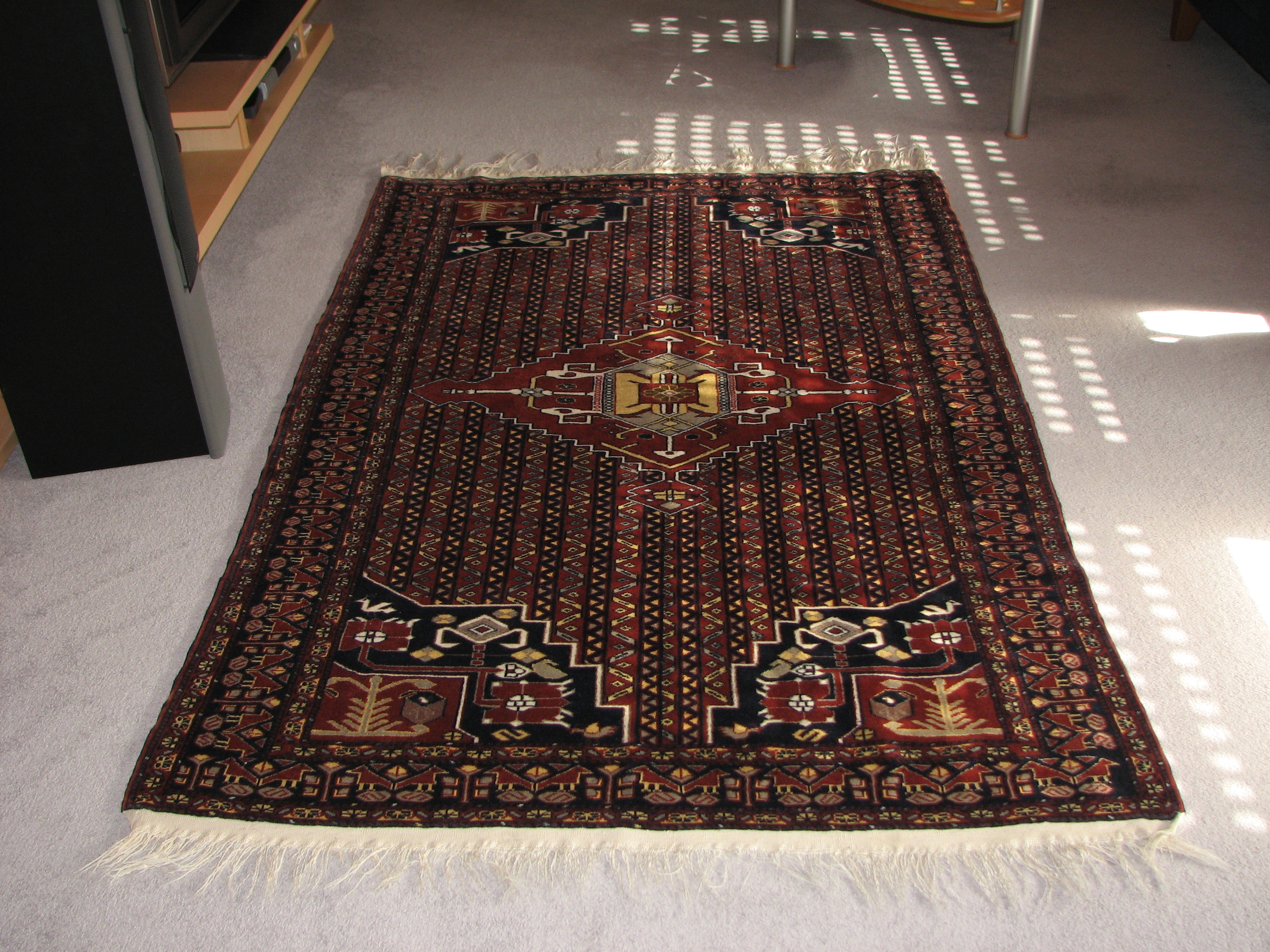
 The colors seem to move and change as you watch: ruby red, emerald green and yellow. [1]
 Anne Frank was born on June 12, 1929 in Frankfurt am Main, Germany. Her unexpectedly discovered journal The Diary of Anne Frank is a testament to the endurance of the human spirit. In honor of her life I am reprinting my first post about Stolpersteine, the Stumbling Stones laid throughout the world to remember the lives of those killed by repressive regimes. – Jadi


 And I go for walks, and practice self-care. I love to cook, so that’s more than all right. I can take my time with elaborate recipes. Great way to channel my restlessness. Uwe and I live together in lockdown harmoniously most of the time.

