The Human Dimension. Helping Refugees: Part 4

The Germans have a wry saying. “We sent for guest workers, but Menschen came instead.” Meaning that after WWII, the work force of foreigners who came to Germany turned out to be fellow human beings.

I find myself thinking about that saying. The flow of refugees heading this way is huge and overwhelming, and in some ways I am afraid. I love the security and safety of life here, how clean it is. I’m proud to live in a land with universal health care and great mass transit, wonderful street cafés, and (most important of all) the guarantee of personal freedoms and a firm commitment to human rights.

What does this have to do with the hordes of refugees flooding the country? I’m not sure. Maybe nothing at all. But I hear from some of my friends, “What if Europe becomes Muslim? What if the streets are filled next with women in full burkas? What if we lose our freedoms as Germans bend over backwards to accommodate the newcomers?

They’re nameless, faceless. They’re the others, the ones who constitute a vague but ever-growing threat.

One of my great bonds with the man I married is our desire to explore the world together. We’ve taken vacations in moderate Muslim lands. Every trip was wonderful, filled with people with dreams and hopes like yours and mine. I have a serious disconnect when I try to reconcile the horror of ISIS with the kindness of the friendly people we met in Egypt… Indonesia… Tunisia… Malaysia… Turkey… Singapore. The answer, of course, is they can’t be reconciled. The two have nothing to do with each other.

I’m terrified of the fanaticism that just killed more than 100 people in  Paris. The refugees are terrified, too. The people fleeing to Europe want the same things we do: a civilized place to work, live, and raise their children. A stream of humanity is arriving. People with dreams and hopes, like yours and mine.

Each time I go to massage the refugee M. [1], I’m confronted with my own fear of the unknown foreign.

We have no languages in common. I’m not only working without any knowledge of her history; we can’t even talk.  One of her children remains in the room the entire time to translate into German for her.

These are the hardest sessions I’ve ever attempted.

As a therapist my hands know their work; I’m capable to treat her PTSD symptoms. But the person-to-person connection…. I have to do this solely through touch. The afternoons of therapy have changed my understanding of the human dimension. It’s become more complicated, and much simpler. It’s changed me as well.

NOTES: [1] To respect the privacy of the persons involved I have changed the names and use initials only.

PTSD. Helping Refugees: Part 3

I go one afternoon a week to where refugees are housed and provide therapy for a woman I will call M. [1]

When I decided to take the plunge and volunteer, I had no idea what that would look like or what I’d be doing. For the last thirty years I’ve worked as a massage therapist. I’ve treated people across the health spectrum: Pregnant. Disabled. Patients during chemo and radiation therapy. Triathletes to couch potatoes. People seeking relaxation, to a man in need of pain relief years after a helicopter crash. My abilities as a therapist deepen with each person I attempt to help.

I’m licensed in both Europe and America. I kept my US credentials current by doing periodic workshops. I did this for decades, until the weekend seminars felt like I was reinventing the wheel.

I briefly considered doing massage with the aged after we put my mother-in-law in a nursing home near us. But my grief as I accompany Mama in the twilight of her life makes it too personal. When I learned a refugee needed massage, it seemed like the perfect way to stretch myself as a therapist and as a human being.

M. and her family fled from an earlier war zone; they’ve been in my village for over a year. M. is severely traumatized. She existed in a catatonic state for many months. Loud or sudden noises trigger panic attacks and migraines and a voice moaning in her head. Her entire body is a field of pain. Most movement is agony.

Within minutes of beginning our initial massage, M. began sobbing. She cries through every single session. It’s ‘just’ nerves.

No one in her family will tell me her story. I have bits and pieces, cobbled together from talking with her doctor and the volunteer organization. She discovered a dead body.  Was it suicide, or murder? Was it a family member? She was raped more than once. Twice, ten times, one hundred? One man or many? Someone known to her? Looters? Soldiers?

Like I say: I have bits and pieces.

I first met the German liaison when she took me to the refugees. She gave me the barest of details, less than five minutes before I met M. I’d be working right away, without any volunteer training or medical protocols in place. For me the single most important question was: Who had requested the massage therapy?

It was M.

NOTES: [1] To respect the privacy of those involved I have changed names and identifying details, and use initials only. Part 4 to follow.

The Town Volunteer Program. Helping Refugees: Part 2

When dangerous months on foot or voyages in unstable boats are your only options, things are bad indeed. Refugees may be met at borders by hostile police or herded in subhuman conditions. Criminal bands now make more money from human trafficking than drugs. Millions are making the exhausting trek, often cheated and robbed.

Chancellor Angela Merkel has declared Germany will take in refugees, particularly those fleeing Syria. This doesn’t begin to meet the challenge of how to integrate all these newcomers. The scramble is on to figure out how to register, and house, and provide for over one million asylum seekers, all arriving at the same time.

My community will receive 300 refugees. Every empty building is being assessed for use as temporary or permanent housing. I live in a 1,200-year-old village – with fewer than 20,000 inhabitants. Strangers definitely stand out.

I began asking myself questions. What does it mean when an outside crisis brushes up against the everyday? Can I help? If yes, am I prepared for what that entails?

I called the Rathaus (Town Hall). “English is my native language and I’m fluent in German,” I said. “I can translate. We’ve got lots of household goods to donate. I’m a massage therapist: I can offer therapy if someone needs it.”

I was informed that my town has taken in earlier refugees from the former Yugoslavia, Pakistan, and other countries. The town runs a training program for volunteers (how to help the newcomers who suffer from shell shock and/or culture shock, what to expect, etc.). Translating services are in place; the town has more donations for supplies than they can use. But, the offer for medical services… They took my contact information to pass along.

The next morning, I received a phone call from A, the German liaison. [1] “Your offer is like hearing from someone from another planet,” she declared. “For months, a severely traumatized refugee has been requesting massage. How soon can we meet?”

I didn’t know it yet, but there would be no time for the training program.

NOTES: [1] To respect the privacy of all persons involved I have changed the names and use initials only. Part 3 to follow.

Helping Refugees: Part 1

After more than a decade, it was back. An insidious, slowly increasing unease, a worried feeling that the world was spinning out of control. For months I’d watched news reports about refugees drowning off the coast in places like Libya or Lampadusa, Italy.

The reports came with more frequency, their tone more urgent. One night I saw the tragic footage of a small child, lifeless where he’d washed up on a beach in Turkey.

That Turkish beach is in Bodrum, and I once set foot there. Two years after I got married we spent a vacation in Turkey. Uwe and I began with the magic of Istanbul. We visited ancient Greek and Roman ruins, took off our shoes at the Blue Mosque, and travelled down the coast as tourists on a local bus line. At rest stops the driver came around with rose water for passengers to wash their hands and faces.

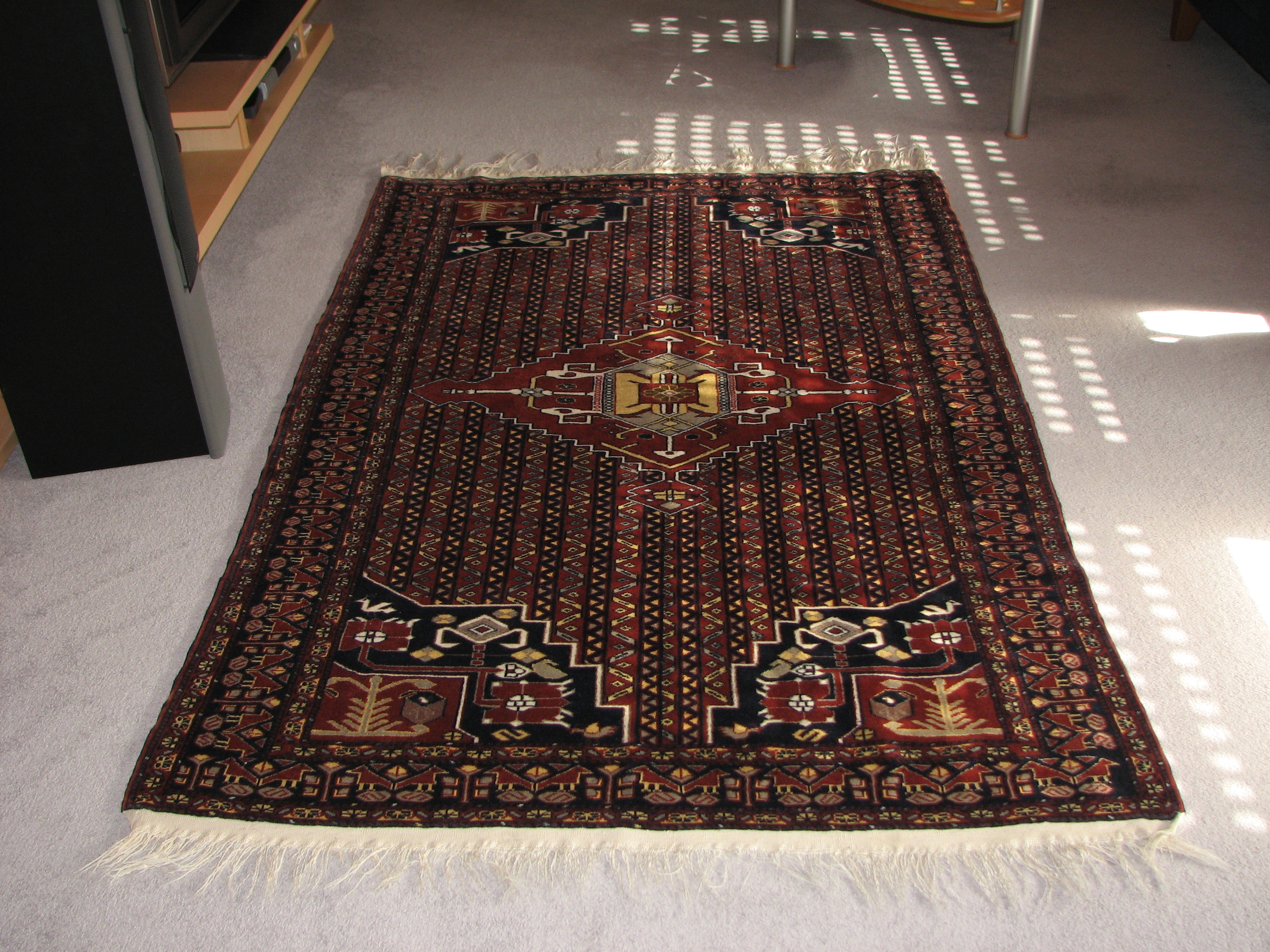
We bought rugs in Bodrum and had them shipped home. I joked about magic carpet rides. We put a wool rug I’d chosen in the center of our living room. Its wavy stripes had reminded me of the ribbon candy my grandparents always gave us when we visited.IMG_7568

Now, when I looked from the television to the floor, I saw waves in a treacherous ocean. I saw the long voyage of those desperately trying to save themselves and their families from wars.

Images of bombs and flight began to haunt my dreams. I had trouble sleeping and for a while I stopped watching the news. It was too close. The borders between frivolous holidays and grim realities had blurred. Actually, they’ve never really existed to begin with.

I was slipping into a spiral of feeling overwhelmed, and helpless, and very sad.

A German friend came for her monthly massage. “I’ve begun volunteering with refugees here,” she said. We talked through much of the session and I asked question after question, curious to know how she came to the decision to help refugees. I began to rethink how to respond to my encroaching depression and what I could do.

I talked it over with Uwe. A few weeks later, I called the Rathaus (Town Hall) to offer my services.

NOTES: Part 2 to follow. Photo Copyright © 2015 Jadi Campbell. Uwe’s images from other trips and his photography may be viewed at viewpics.de.

For an excellent blog about volunteers and people trying to get through the Chunnel from northern France to England, go to: http://amjamwe.blogspot.pt/

Stolpersteine 2: A Stumbling Stone for Luisa Lepman

IMG_7246
The last free residence of Luise Lepman. She lived on the upper floor.
IMG_7264
Translation: Here lived Luise Lepman, family name Kahn, widow of Landauer, born 1878. Deported in 1942 and murdered in Izbica

Date: May 23rd, 2015

Place: Stuttgart, Germany

Event: The laying of a Stolperstein for Luise Lepman

Man in cap: “I didn’t expect the ceremony would be so rote. He put in the stones like it was just assembly line work, just one of many.”

Jadi: “The whole point is that they’re not made in a factory. He makes every single one of them by hand.”

Man in cap: “And I didn’t know that his project began as performance art.”

Amy: “That’s how it began in Berlin. He’s been deeply involved in making Stolpersteine for over twenty years.”

Man in cap: “I’ve looked at his website. If you can get past the fact that they were all murdered, some of his subjects’ lives were pretty outrageous.” The man in the cap turns without saying goodbye and heads fast down the sidewalk.

 ***

Today I want to tell you about several remarkably modest people, and one remarkable project.

Amy Matney began as a massage patient and became a friend. She’s a charming, unassuming woman from Virginia. Just listening to her accent is to hear music.

School counsellor Amy Matney

Amy works with teenagers at the Patch Barracks high school. Last year she got her students involved in the international Stolperstein project. Started by the German artist Gunter Demnig, Stolpersteine are literally ‘Stumbling Stones’. These blocks or stones commemorate the last free place victims of the Nazi regime resided before being deported or murdered. [1]

Amy told me, “The students I counsel have every advantage. I want them to learn compassion as well. This project was a great way to get them to think about history and the world, and those less fortunate.”

For 120€ or about $140, anyone can sponsor the laying of a Stolperstein. Amy’s students went into historical archives and researched potential subjects. Once a month the students sent out a newsletter reporting the progress of their research. They chose Luise Lepman, a woman whose family had strong connections to America.

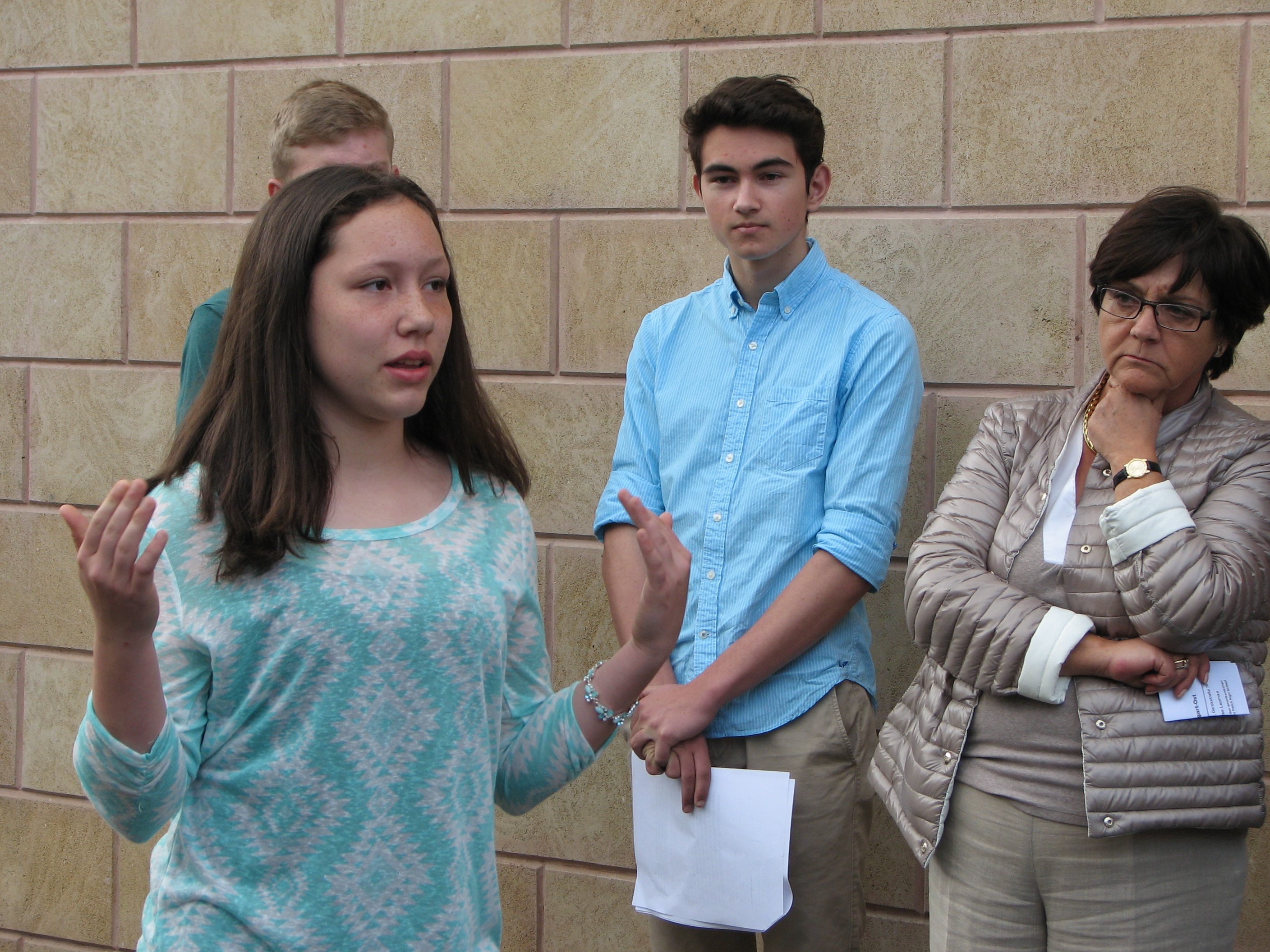
In a moving ceremony on the morning of May 23rd, Ms. Matney, the students and their families, the commander of the base and well-wishers gathered in front of the last place Luise Lepman was known to live.

Luise boarded a deportation train on April 26, 1942. Not a single one of the 285 people forced to take that train survived.

IMG_7275IMG_7274IMG_7272

The students talked about their experience and Susanne Bouché, the Stuttgart liaison for the Stolperstein Project, spoke.

Susanne Bouché & Amy Matney

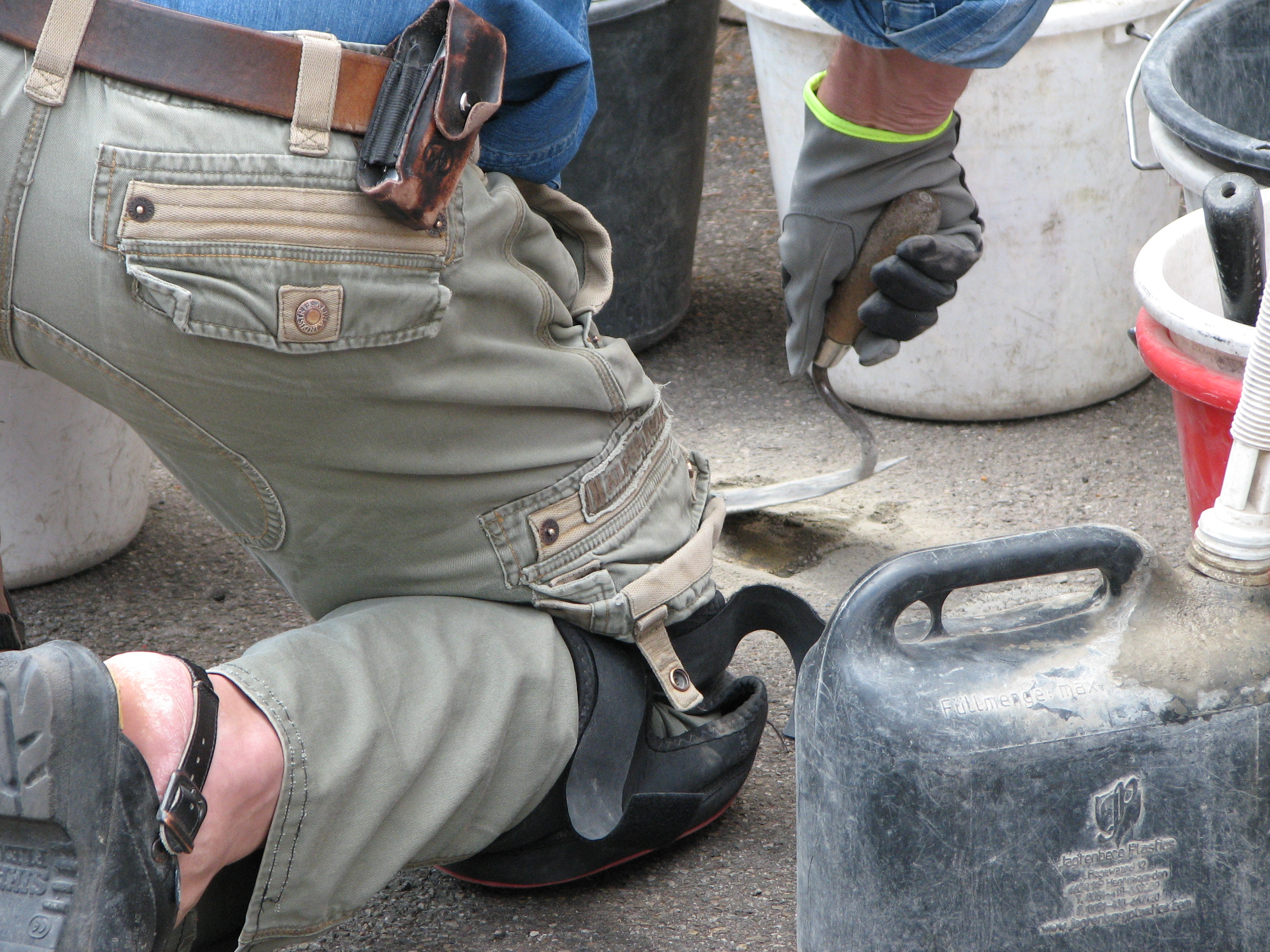
And then, in respectful silence with no fanfare, Gunter Demnig placed the Stumbling Stone in the sidewalk. [2] I helped Amy hand out long stemmed roses. The witnesses laid them beside the stone.

IMG_7258

Gunter Demnig, artist and creator of the Stolperstein Project

As Amy and I talked after the ceremony, the stranger in the ball cap came up to us. I’m not sure if we were more startled by his callous words “If you can get past the fact that they were all murdered, some of his subjects’ lives were pretty outrageous” or the complete lack of understanding the comment showed.

This is why we need projects like the Stumbling Stones, and people like Herr Demnig and Ms. Matney. [3]

NOTES: [1] After you notice the first one, you start seeing Stolpersteine everywhere. They honor the dead and remind us that we always walk with and through history. [2] Herr Demnig places each Stumbling Stone by hand. He installed three Stolpersteine in Stuttgart on May 23rd. [3]  Ms. Matney’s school will sponsor a Stolperstein each year.

To this day the city of Munich refuses to allow them to be placed.

For more information on Stolpersteine: www.stolpersteine.eu

To contact Herr Demnig directly:

Gunter Demnig
Kölner Strasse 29

D-50226 Frechen
www.gunterdemnig.de

Mobile: +49 – 177 – 20 61 858
Fax: +49 – 2234 – 809 73 97
Email: gunter(at)gunterdemnig.de

Photos Copyright © 2015 Jadi Campbell. All photographs can be enlarged by simply clicking on the images. Uwe’s photos of Stuttgart and his photography may be viewed at viewpics.de.

Stolpersteine 1: Tsunami Cowboys’ Stumbling Stones

She placed her unbandaged left hand over his on the table top. “Don’t think I’m only a cynic. If I lost my faith in nations, I find huge bravery and kindness in individuals. I kept my faith – and how can that be, after what religion did to my country? But I did. I believe in God. You saved my life so I am saved again. It’s more than a woman could hope for.” She squeezed his hand. “How long do you stay in Stuttgart?”

For the first time his regret about leaving had to do with a person and not with his phobia. “I should take a train tomorrow. Actually, I’m scared to fly,” Guy admitted. “I was in a forced landing once. I’m afraid of being in another.”

“Why fear a statistic chance? Why worry about an abstraction?” Nadia’s shoulders rose and fell in the Eastern European’s shrug, a slow, weary movement that expressed the futility of every question. “Think about the poor people who are in tsunamis. Or a war zone, where real fear is to think, how do you keep walking on the street as a rocket hits somewhere near, or you hear thwack!, and the person in front of you falls down? First you think, this time it isn’t me. It took years for me to stop looking over my shoulder. Stuttgart is civilized, but even here I stumble over Stolpersteine.”

“Over what?”

“Stolpersteine.”

Guy shook his head. “Never heard of it.”

“Them. Come, I will show you. There are some up around the corner.” Nadia refused to explain further.

She insisted on paying the bill and tucked her arm in his as the two of them headed up the Königstrasse. She led him to a stop in front of a store. “What do you see?”

Guy saw Europeans out Christmas shopping, happy people laughing and drinking glühwein, store windows filled with beautifully displayed consumer goods. Was it something special about the storefront? He shifted his weight and his heel came down on an uneven spot in the cement. When he glanced down, Guy saw gold cubes embedded in the sidewalk. He squatted to get a better look. Königstrasse 60, a stone with the name of Clothilde Mannheimer, another beside it for Jakob Mannheimer.

Nadia crouched down next to him. “The Mannheimers lived in this building. They were moved by train to Theresienstadt and died in the concentration camp there,” she translated. “These are their Stolpersteine, their stumbling stones. Wherever we go, we stumble over reminders of the past. The stones make sure we don’t forget the dead, these make sure that people today can’t push the dead from our memories.”

Guy traced the imprint of the names. The little golden cubes were weightier than their size. “Are there more?”

“All over Germany. Other countries, too. The Stolpersteine groups wish to mark the last free place where the persons lived, not where they were sent. Sometimes a family asks for a stumbling block; sometimes a local group did research for victims. And Stolpersteine are for everyone. Especially the Jews, but also the Behinderte, the ones with handicaps,” she corrected herself, “the mentally slow or physically handicapped. And gypsies, Communists. All were killed or did have to leave.”

“Knowing all this it wasn’t hard for you to become a German citizen?”

She gave another slow Eastern European shrug. “I gave up my old passport a decade ago. It was less hard than I expected. My home country is one in the heart.”

A newly laid Stolperstein

– from my chapter “What A Guy” in Tsunami Cowboys. Available online at amazon.com. This link will get you there. I will post more on this extraordinary street art project shortly.

NOTES: Photo Copyright © 2015 Jadi Campbell.

Nippon Visions

Ronnie’s coworker Yoshiko Sakei appeared in the next vision. Yoshiko came to the States for college and ended up marrying Erik Gross. She became an American citizen forty years ago. She’s nearing retirement, and she and Erik plan to move to Honshu. Yoshiko feels a secret guilt: she’s enjoyed the irresponsible freedom of a Japanese person living outside the home country.

Kyoto parade
Kyoto parade

Yoshiko tells Erik, “Let’s go back and care for my parents.” Erik likes the idea, because a Western man in Asia has lots of advantages. Gaigin aren’t expected to fit in.

They sell their home and plan to move as soon as Yoshiko stops working.

Miyajima
Miyajima
Kyoto train station
Kyoto train station
Kagoshima Aquarium
Kagoshima Aquarium

The vision shifts. Zen landscapes,

Bamboo forest
Bamboo forest
Zen garden
Zen garden

crowded city streets with tall buildings,

Tokyo
Tokyo

monks in yellow,

Kyoto temple
Kyoto temple

geishas in colorful kimonos,

Geishas

salarymen in somber business suits all kaleidoscope through the dream. A few exquisite pieces of lacquer ware and a hand painted folding screen decorate a small space.

Zen interior
Zen interior

Yoshiko and Erik sit at a table across from an old Japanese couple with gentle smiles and parchment paper skins. The four of them drink tea. In the next scene they lie asleep in blankets on spotless tatami mats.

All four open their eyes as the light wood of the house splinters into match sticks. They look shocked in Ronnie’s direction – and the dream blows apart.

The ground stops convulsing and a gigantic wave with the salt of a billion tears engulfs the collapsed dwelling. Fires burn as poisons spill out into the land, air and waters.

It’s absolute devastation as far as the eye can see, whether on site or from across space and time. Ronnie sees the word TEPCO but has no idea what it means. A disaster is on the way, and her friends and every soul within hundreds of kilometers are doomed to die. Whether the death of one person or ten thousand, the outcome is unchangeable.

This dream of Japan contains only destruction of life and property and an aftermath that will linger, terrible, for generations. She can imagine what poisons are released; she can imagine, but she doesn’t want to.

***

Ronnie wept in great gasps and needed long minutes to convince herself that she wasn’t in the dream earthquake. All the same, she’d experienced a tsunami of the soul.

A disaster was going to strike northern Japan. What the hell could she do with the information, call the Prime Minister and warn him that he needed to put Japan on high alert? Contact TEPCO, whoever or whatever they were? Could she warn Yoshiko and Erik not to move, or to bring Yoshiko’s aged parents to them instead? She had nightmares for weeks.

Ronnie acknowledged the vision’s finality with a heavy heart. She went to going away parties and contributed to the fund for Yoshiko’s retirement present. She took part in the long goodbye with a smile whenever they met, knowing the parting would be final. When they left for Fukoshima, their absence felt like they were already dead.

That early farewell to Erik and Yoshiko pushed her into a deeper process of farewells. Ronnie was detaching more and more, from everybody and everything. She couldn’t be sure when the next person she knew would show up in a vision.

***

– from my chapter “Precognitious” in Tsunami Cowboys. Available online at amazon.com, amazon.de, and amazon in countries everywhere. This link gets you there.

Uwe’s photos of our trip to Japan and his photography may be viewed at viewpics.de.

Egypt 2: Along the Nile

Cleopatra: He’s speaking now, Or murmuring ‘Where’s my serpent of old Nile?’ — Shakespeare Antony and Cleopatra, Act I, Scene 4

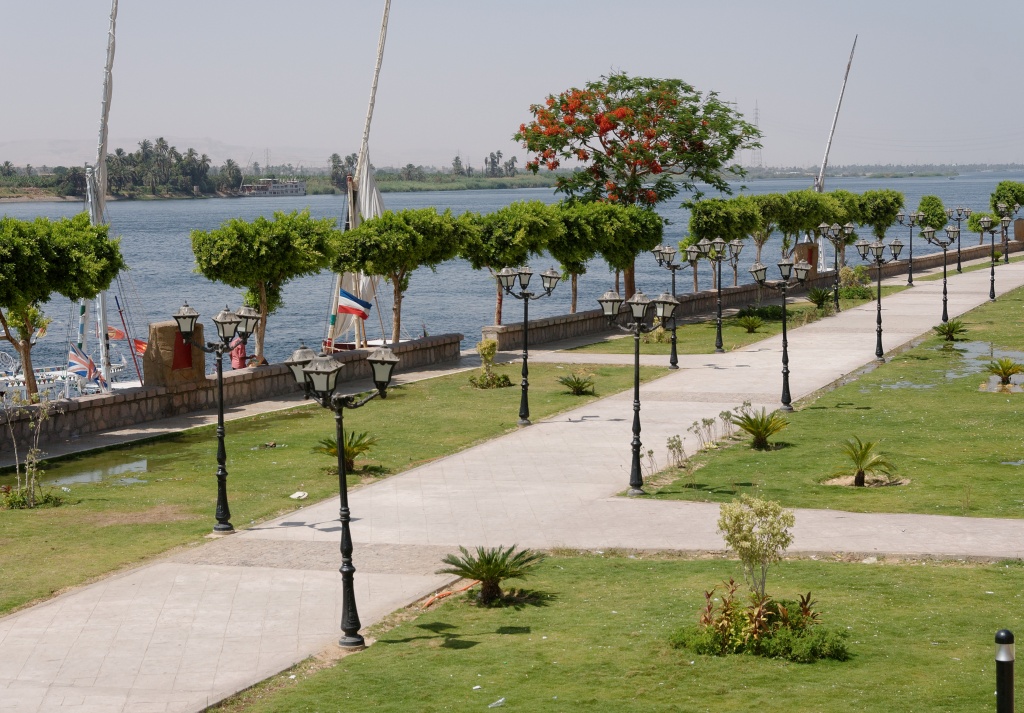
This is Part 2 to my post about our brief trip to Luxor, Egypt. As I look through Uwe’s photographs from that week I’m struck by his images of the Nile.

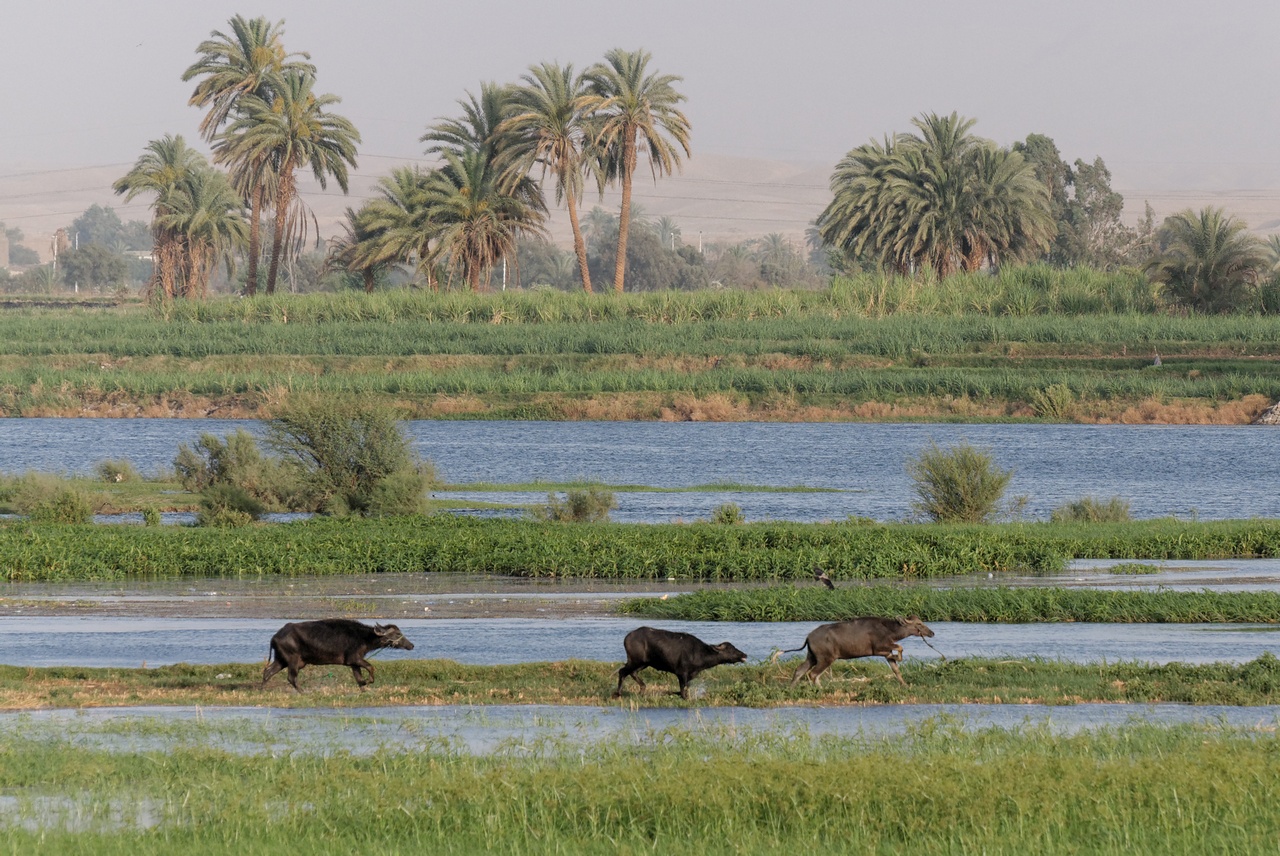
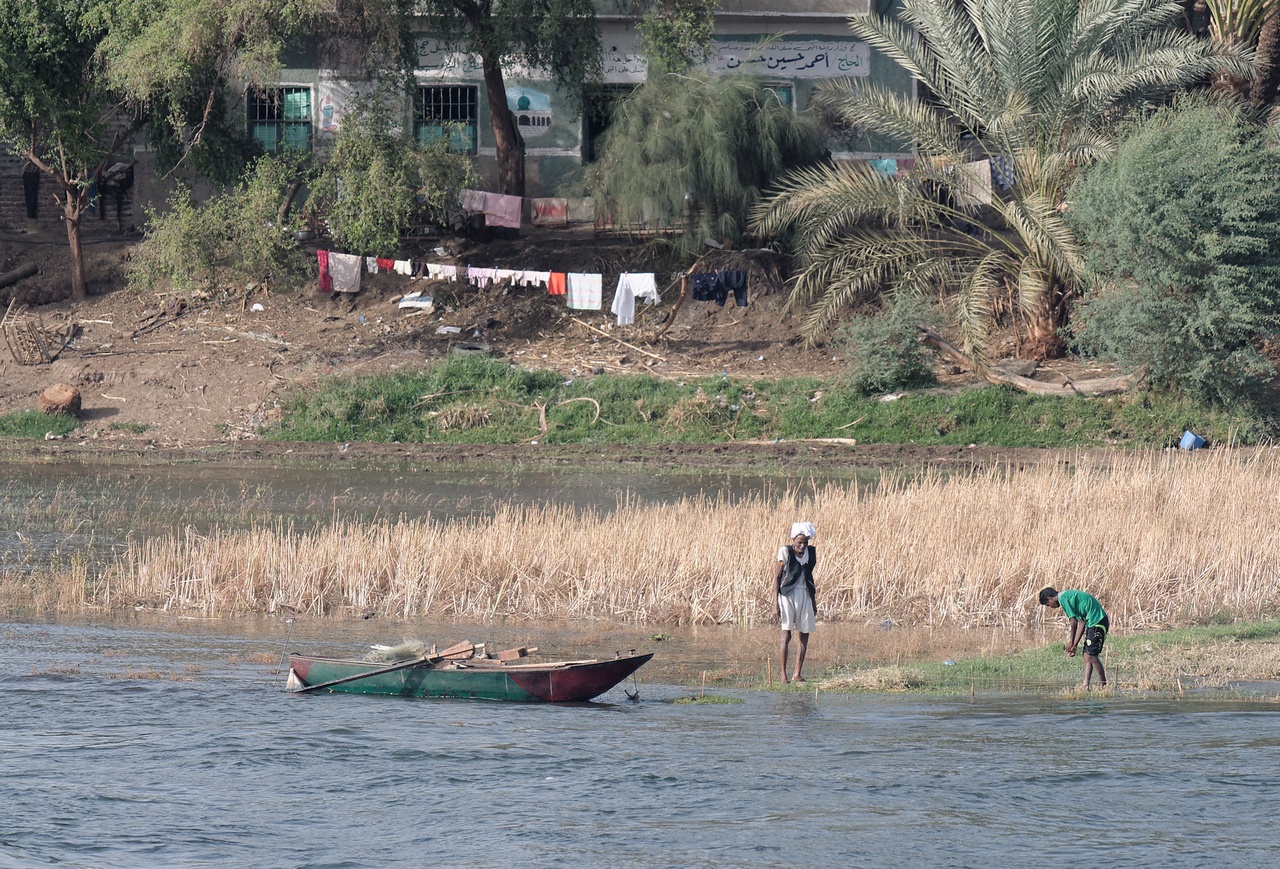
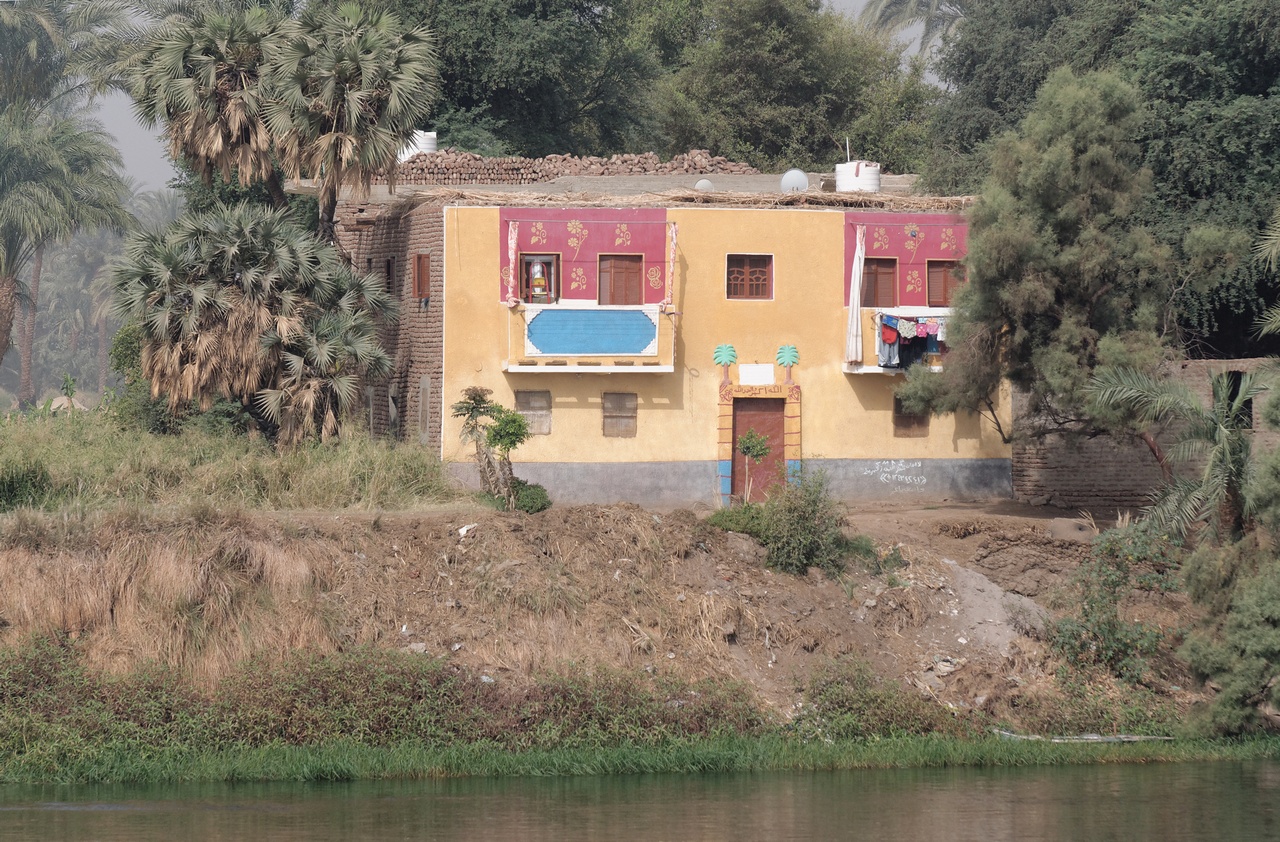
D31_8536_DxO10 D31_8660_DxO8 D31_9064_DxO8

There is something sensuous about this river… One of my very favorite Shakespeare plays is Antony and Cleopatra. Here is the description of Cleopatra floating down the Nile:

Enobarbus: The barge she sat in, like a burnished throne,
Burned on the water; the poop was beaten gold,
Purple the sails, and so perfumed, that
The winds were love-sick with them, the oars were silver,
Which to the tune of flutes kept stroke, and made
The water which they beat to follow faster,
As amorous of their strokes.

…From the barge
A strange invisible perfume hits the sense
Of the adjacent wharfs. The city cast
Her people out upon her, and Antony,
Enthroned i’ the market-place, did sit alone,
Whistling to the air; which, but for vacancy,
Had gone to gaze on Cleopatra too
And made a gap in nature.

Agrippa: Rare Egyptian! (Act II, Scene 2)D31_8592_DxO10

The Nile is iconic. It’s the longest river in the world, around 4,160 miles or 6,670 kilometers The Nile originates at Lake Victoria and Lake Tana, and ends at the Mediterranean. It flows northward through Tanzania, Rwanda, Kenya, Uganda, Burundi, Ethiopia, Democratic Republic of the Congo, Sudan, South Sudan, and Egypt.

D31_8643_DxO8

D31_8954_DxO8

It is the largest oasis on the planet. When we visited in May 2013 tourism had declined so far that there were no longer any direct flights to Luxor. Instead, we flew to Hurghada on the Red Sea and a van met us. We drove for four hours across the barest desert landscape imaginable. No nomads, no towns, no vegetation or animal life to be seen. When we reached the Nile, visible signs of life appeared again.

D31_7870_DxO8 D31_7871_DxO8 D31_7872_DxO8All of the great ancient cities we visited are on the river’s banks. Karnak, Luxor/Thebes. Dendera, Edfu. From our hotel balcony we gazed directly across the river to the Valley of the Kings. The Valleys of the Kings, the Queens and the Nobles are on the west bank of the Nile River as you must be buried on that side in order to enter the afterlife.

D31_8743_DxO10

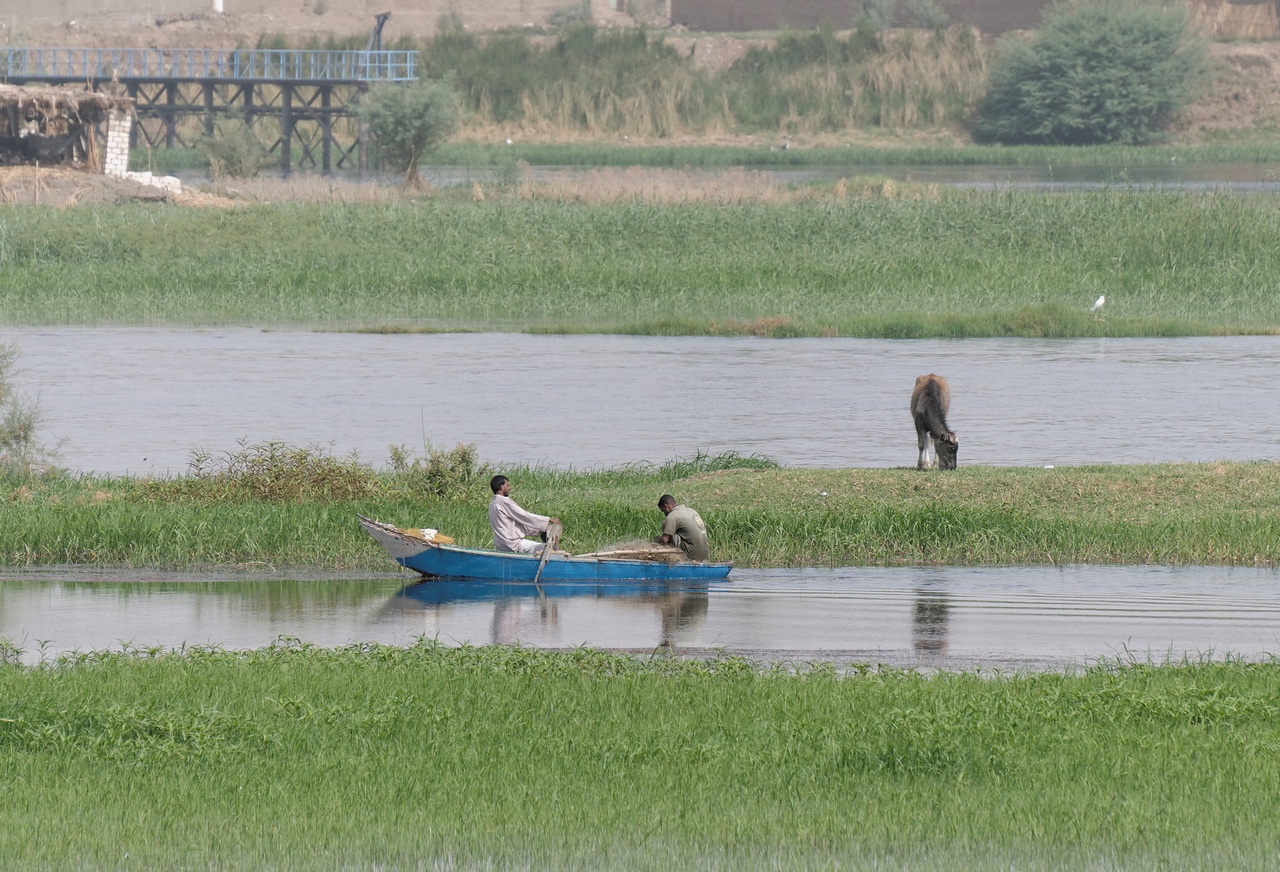
We sailed downriver to Dendera, enjoying the scenery that flowed slowly past. D31_8555_DxO8

D31_8564_DxO8

The fertile Nile was the original source of Egypt’s wealth and today 40 million Egyptians (50% of the population) live near its banks. There was life on the shores and in the water everywhere we looked.

Cleopatra: …we’ll to th’ river: there, My music playing far off, I will betray Tawny-finned fishes. (Act II, Scene 5)D31_8562_DxO8

D31_8737_DxO8

D31_8627_DxO8Antony: The higher Nilus swells, The more it promises; as it ebbs, the seedsman Upon the slime and ooze scatters his grain, And shortly comes to harvest. (Act II, Scene 7)

The Egyptian calendar was based on the Nile’s three flood cycles. According to Wikipedia, “[t]hese seasons, each consisting of four months of thirty days each, were called Akhet, Peret, and Shemu. Akhet, which means inundation, was the time of the year when the Nile flooded, leaving several layers of fertile soil behind, aiding in agricultural growth. Peret was the growing season, and Shemu, the last season, was the harvest season when there were no rains.” [1]

As I looked out at the river and thought about my mother, I sensed the rhythms of life and death more clearly than ever before.

D31_8613_DxO8

D31_8557_DxO8To the ancients, the Nile was the River Ar meaning “black” because of the rich, fertile sediment left on the banks from the Nile’s flooding. When the Aswan Dam was built in 1970, the annual flooding ended. But by the time we left I knew why Shakespeare’s hero confessed,

Antony: Egypt, thou knew’st too well My heart was to thy rudder tied by th’ strings, And thou shouldst tow me after. (Act III, Scene 9)

NOTES: [1] Wikipedia: Season of the Harvest

http://interesting-africa-facts.com/Africa-Landforms/Nile-River-Facts.html

http://www.ancient-egypt-online.com/river-nile-facts.html

http://www.sciencekids.co.nz/sciencefacts/earth/nileriver.html

All photogaphs can be enlarged by simply clicking on the image. More of Uwe’s pictures from Egypt and his photography may be viewed at viewpics.de.

Tsunami Cowboys

Tsunami Cowboys

Prepare to meet Todd, a hero with dangerous fantasies. Coreen, trapped in a cult. Ronnie, dreaming other people’s futures. Guy, waiting for disaster at a Christmas Market. And Lynn, the connecting thread, taking a train with a seductive stranger. By turns terrifying and funny, this is the story of people riding life’s waves… the tsunami cowboys.

It’s official: My new novel Tsunami Cowboys is available in paperback and eBook versions. Look for it on Amazon around the world. The following links will get you there for the US and Germany:Tsunami Cowboys (for Amazon.com) Tsunami Cowboys  (Amazon.de)

I’m excited and proud and tired and floating on air. This book is the results of the last two years of writing. Thanks for your encouragement and support. It has made this journey a real pleasure.


Book Excerpt: What A Guy 2

Despite himself he laughed. Where’d this precocious kid get her great outlook?

“I don’t know where she gets these lines. Tia always has such a great outlook.” Denice smiled with wry affection as she read his mind.

“But Mommy, why get scared? Planes only crash in moovies!”

“It’s not that we sit around watching disaster flicks,” Denice qualified. “I don’t need disaster films playing on the screen in our living room; I’ve got the one in my head.”

“We all have our fears,” Guy commiserated, remembering for a second or two that he was a therapist. The plane angled higher in the heavens and they felt the ascent despite the pressurized cabin. He gulped.

“It’s okay, Mr. Guy! We’re going up, not down, silly! Nothing to worry about.” Satisfied she’d calmed the irrational adults sitting to either side, Tia returned to the magazine pictures.

She started a cartoon as Guy and Denice chatted across her head and waited for the plane to reach optimal elevation and level out so Denice could get up.

“What’s taking you to Europe?”

“Her daddy’s currently serving in Afghanistan. Joe already had two tours in Iraq. We have Tia in a wonderful school and I’m reluctant to leave my job, so we stay in the States and meet him for school breaks and furloughs. We’re on our way to a base near Frankfurt,” she looked at her daughter and hesitated. “To Landstuhl,” Denice clarified. “For the holidays. Joe will be home for good soon but we had this trip planned already, a chance to get to see some more of Europe and where he’s been on and off for the last four years. Are you heading to Germany for business or vacation, or traveling somewhere further?”

The seatbelt lights pinged off. Denice stood up and retrieved a bag from the overhead bin.

“I have a layover in Frankfurt.” Guy drained the bottle she handed him. “Thanks! What was your question? Oh, what I’m heading to Europe for: a conference in Zurich. And I have pteromerhanophobia.”

The child looked back up at the sound of the curious word with so many syllables. “What’s that?”

“Fear of flying.”

“Which part?” Tia broke it down matter-of-factly and her manner was eerily similar to his therapist. “Afraid of being stuck inside and you can’t leave? Or something bad happening? That’s silly, because flying’s safer than riding in a car. Are you really scared of being in a plane crash?”

“No!” Guy squinched his eyes tightly closed. When he reopened them, Tia and her mother were staring. “I’m scared of being in another crash. I was in a forced landing once.”

“But, Mr. Guy, you’re alive.” Tia kicked her legs impatiently. “The crash couldn’t have been that bad.”

Denice laid a hand on her daughter’s knees to stop the kicking. “What happened?”

“I was on my way back from a conference, ironically one concerning phobia therapies. Little did I know.”

“But, what happened?” Tia persisted.

“We landed in a field,” Guy told her, but he stopped there. It would be cruel to scare a child. And, as his own therapist kept reminding him, pointless to keep reliving the traumatic event. The landing had been a bumpy one indeed.

After that, he drove the entire distance halfway across the country rather than fly to a symposium. A second professional trip had involved a long train ride. Guy even turned down a vacation with Stan and Lynn, which forced him to acknowledge the problem.

The Jungian conference in Switzerland offered a perfect opportunity to overcome his phobia. Guy had been comforted by the thought of a roomy jumbo plane. And it would be professionally fascinating; he’d made a snap decision to attend. Now he asked himself, Why didn’t I pick a really short hop instead? You idiot! Guy closed his eyes again and wondered when the pills and Benedryl would finally take effect.

***

Prepare to meet a hero with dangerous fantasies. A young woman trapped in a cult. A person who dreams other people’s futures. A man drinking glühwein at a Christmas Market as he waits for disaster. And Lynn, the connecting thread, taking a train trip with a seductive stranger. I’ll be posting the first pages to each chapter.

Committing my characters to an appearance on this blog makes them real. As of tonight, they exist beyond my imagination.

Here are the opening pages to my novel Tsunami Cowboys. This fourth chapter is titled, What A Guy.

Tsunami Cowboys will publish with Amazon in December, 2014.

follow Jadi Campbell

Get the latest posts delivered to your mailbox: